
Bitternut Hickory
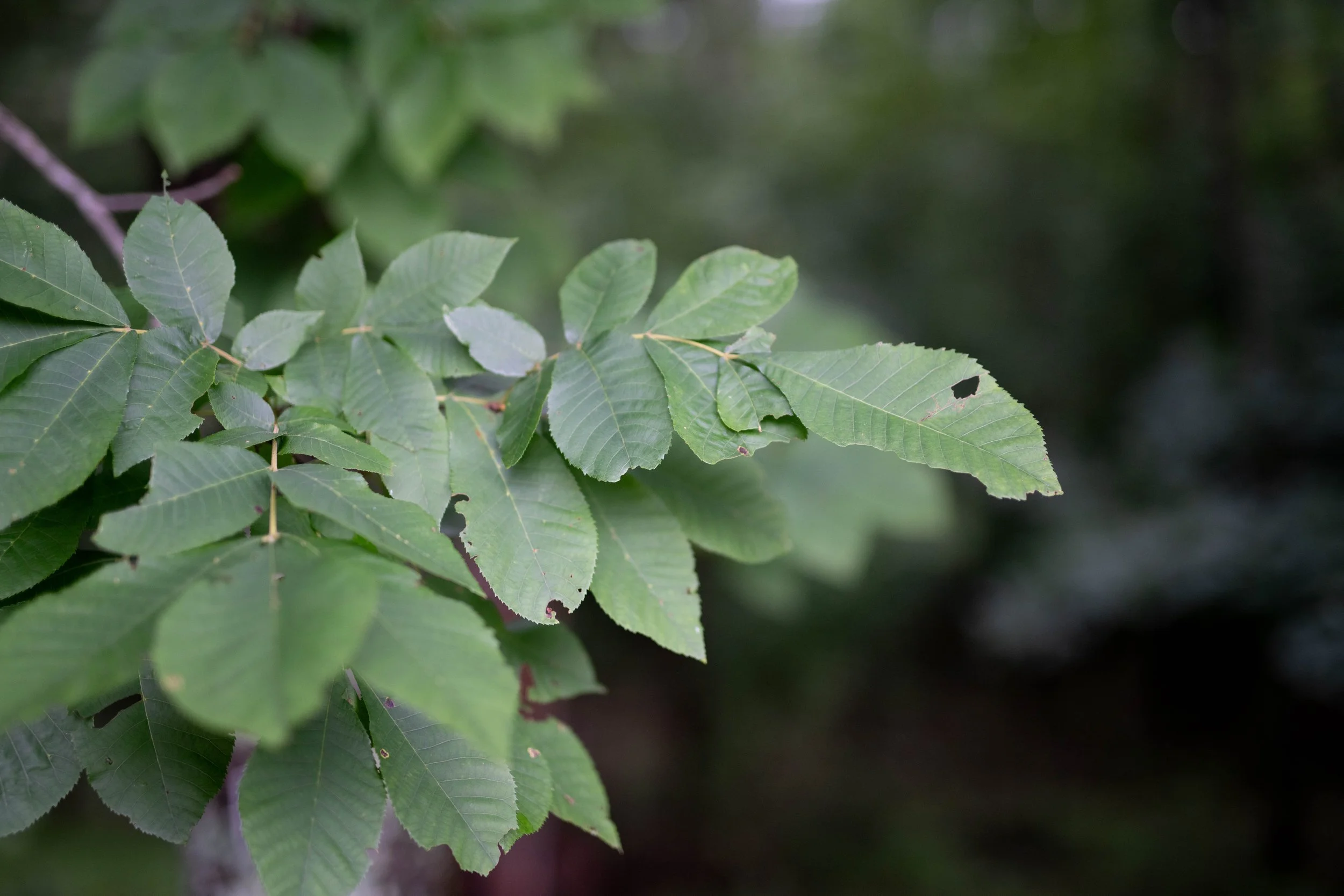
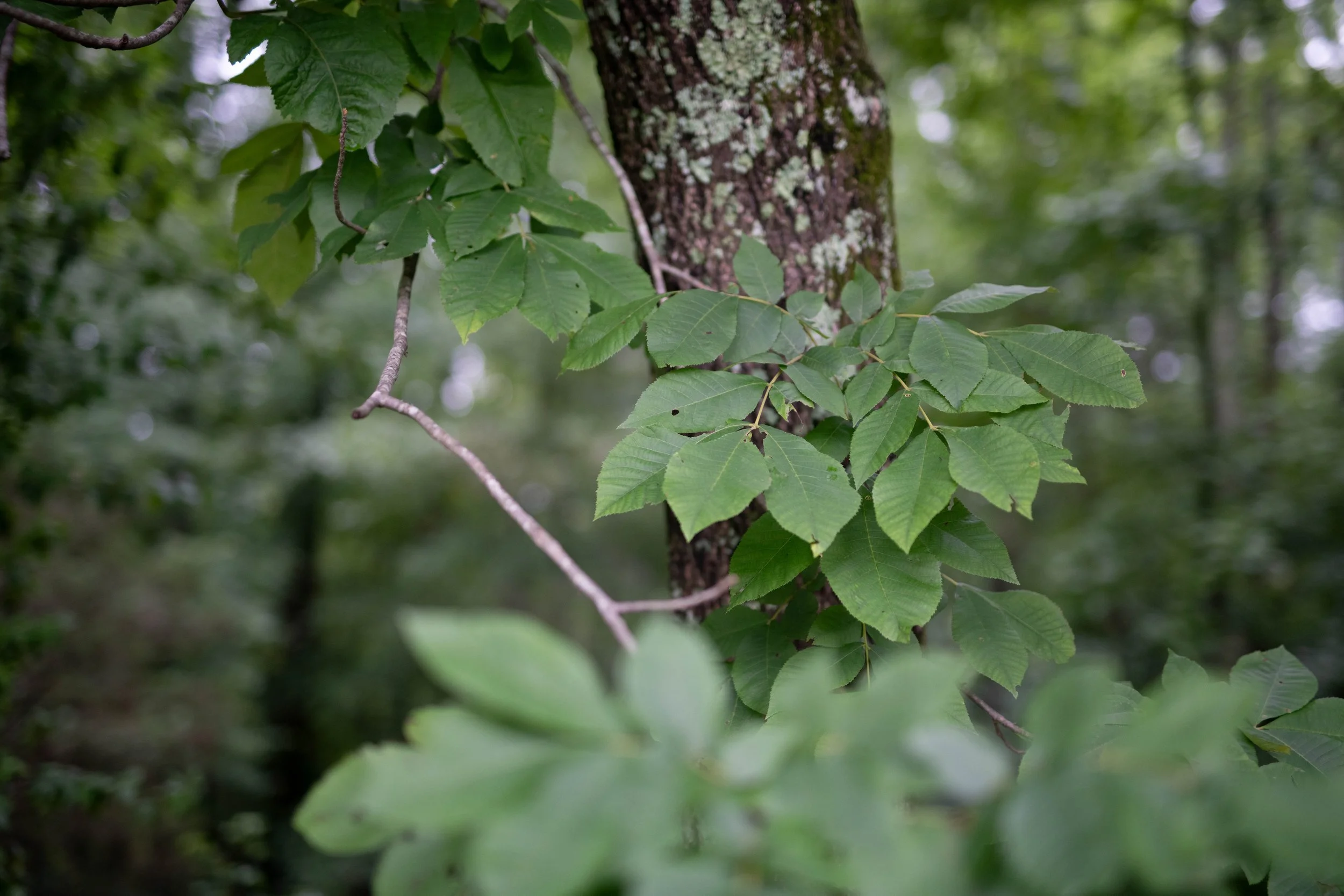
The Bitternut Hickory (Carya cordiformis) is a large canopy tree with a pyramidal form that is common near sunny lowland sites. Although this tree’s fruit is highly astringent for humans, the plant attracts all kinds of wildlife (mammals, birds, and insects)! Read on to learn how this tree supports our greater ecosystem.
Scientific Description:
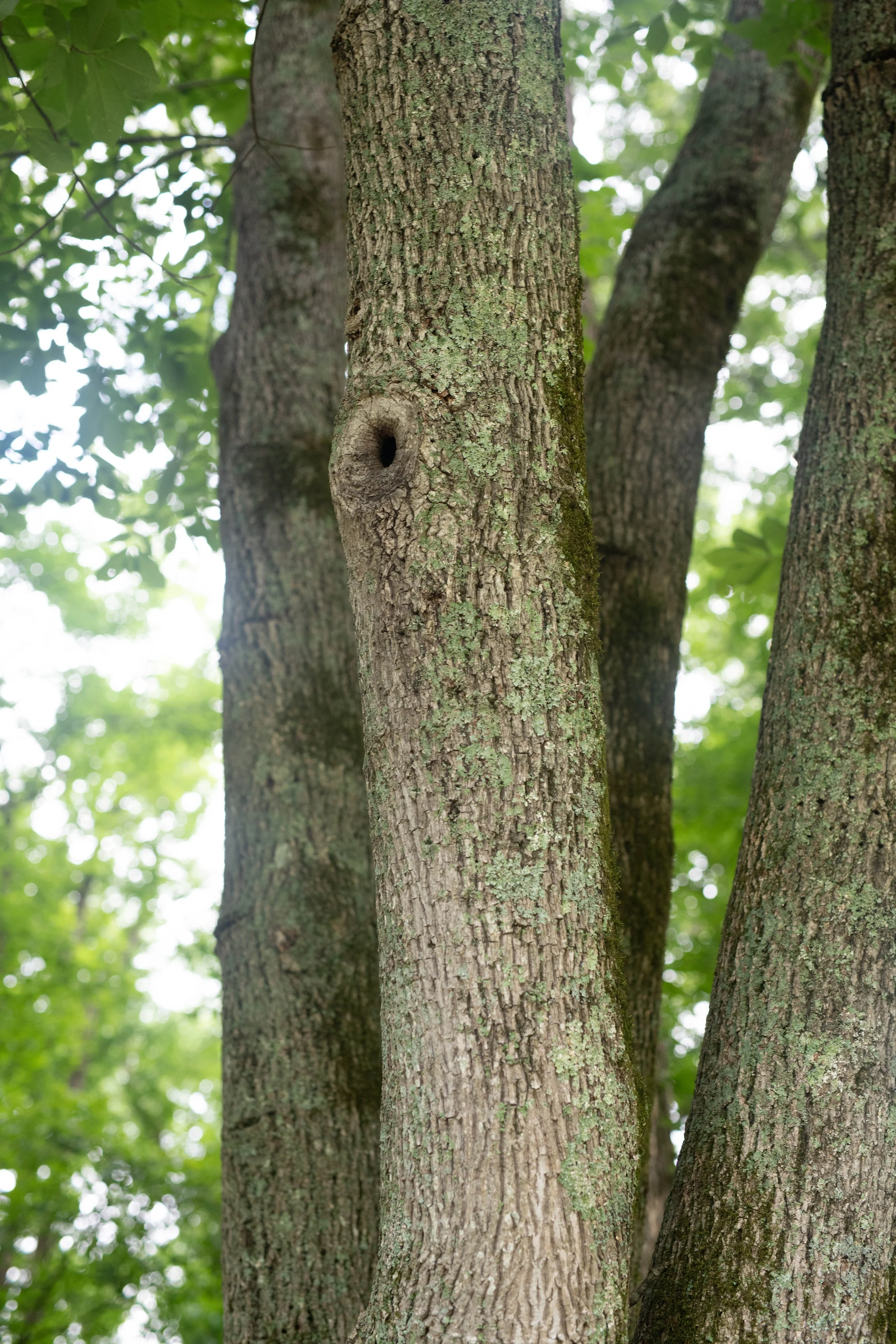
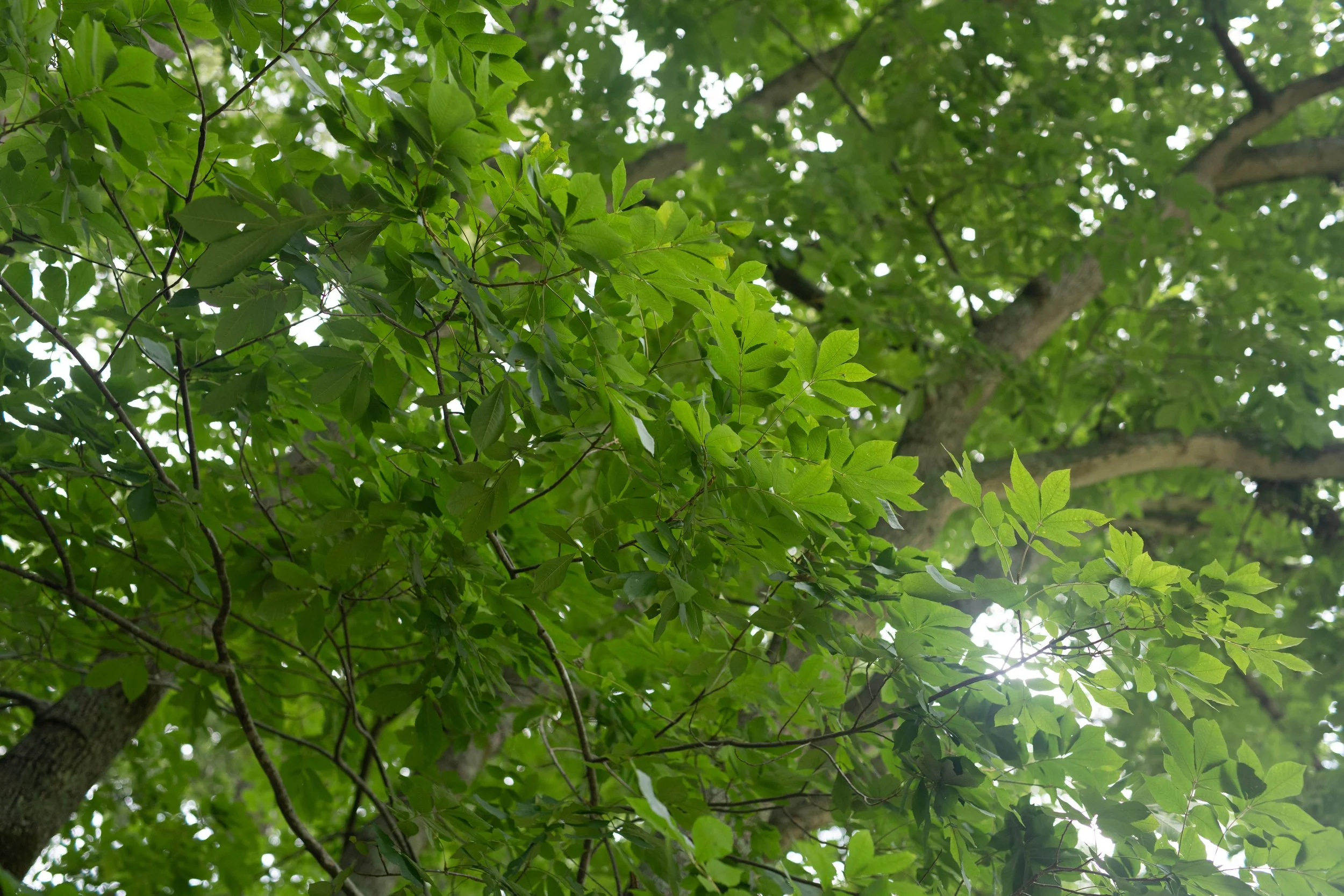
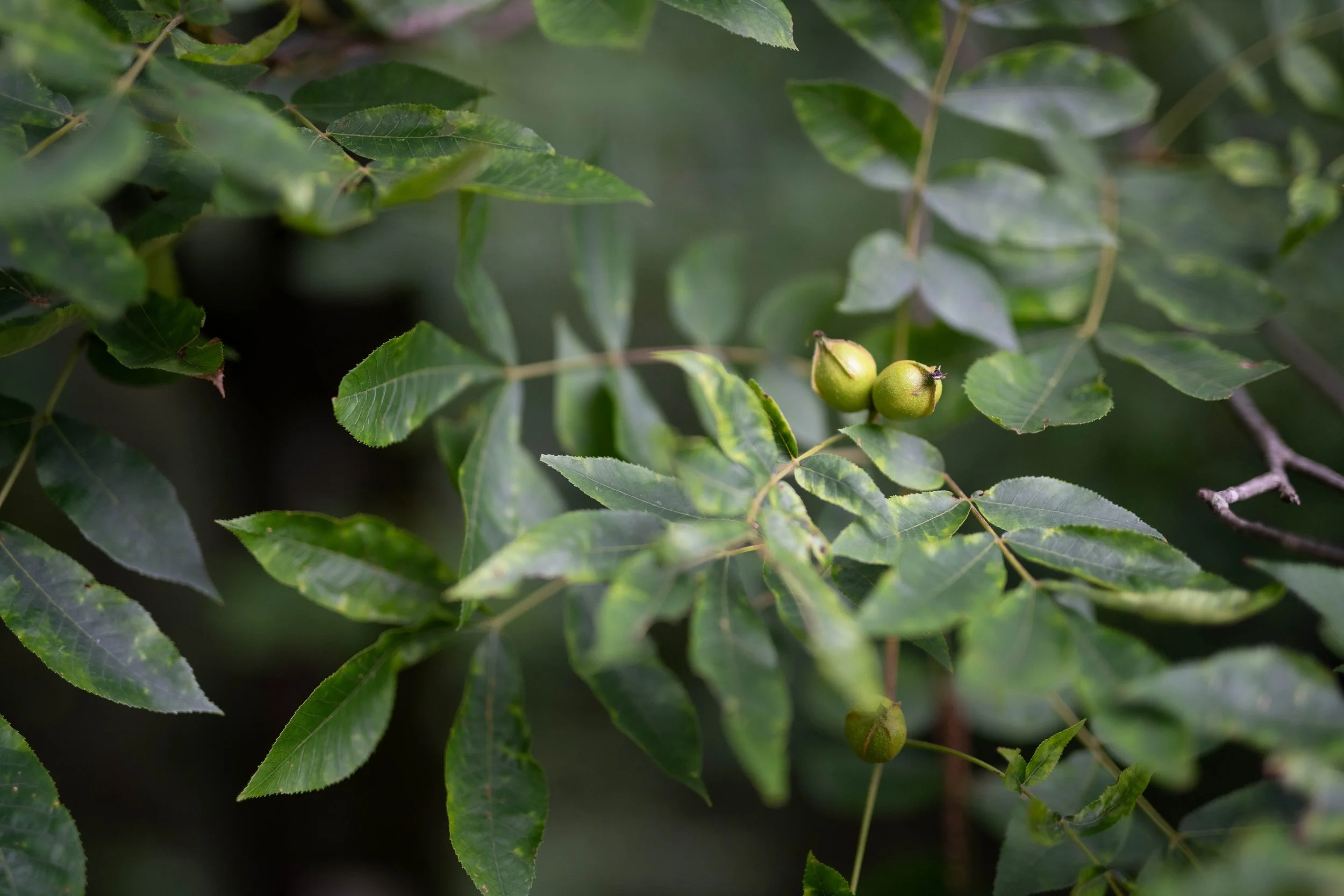
The Bitternut Hickory, Carya cordiformis, is a tall deciduous shade tree of eastern North America. As a member of the Walnut Family (Juglandaceae), this tree has a distinctive 4-ribbed nut fruit that ripens in early fall. The tree thrives in sunny moist sites, such as open wetlands, floodplains, and lowland forest borders. The tree is the fastest-growing hickory, although its still a moderately slow grower compared with many shade trees. Individuals can live up to 200 years, but many don’t fruit until they’re at least 30 years old! Mature hickories reach a height of 50-100 feet tall with a crown of 35-50 feet wide. This plant develops a deep taproot to stabilize the large tree in various soil types. The granite-grey bark is smooth in young trees and develops furrows with age.
Habitat Value:
As a hickory, this tree is a haven for wildlife! While the bitternut is too acrid for humans to eat, some mammal species will feed on them. The tree hosts many butterflies and moths, including the Luna and Regal moths. Due to the influx of insects around this tree, several songbirds (such as the Scarlet Tanager, Yellow-billed Cuckoo, and Cerulean Warbler) will live near the tree. Rabbits and beavers also feed on the bark of saplings.
Ethnobotanical Use:
Although the bitternut is inedible for humans, the tree has had many other human uses across history! The dense, shock-resistant wood is great for crafting heavy-duty tool handles, sports equipment, and even durable flooring. Indigenous communities utilized the wood for bows, tools, and wheel The inner bark was also boiled to create a yellow dye for textiles, clothing, and baskets. Also, the nuts were mashed to create an oil used for lamps and cooking!
Landscape Use:
The Bitternut Hickory is an excellent shade tree for large, expansive yards and naturalized areas. The Bitternut thrives with full sun and provides an “open canopy” that filters sunlight for shade-loving perennials. The tree’s deep taproot system protects the soil from erosion while also securing the large, pyramidal tree in various terrains. However, the deep taproot also means that this tree prefers to stay in one place and often struggles with transplant shock when moving older, more established trees. In the early fall, this plant provides beautiful autumnal colors with bright yellow leaves.