TN Valley Seed Project
We’re excited to announce our plans for Sheets Sward, the future site of the TN Valley Seed Project. This native plant initiative will source local seeds, cultivate mother plants in the grassland habitat, and then propagate their offspring in our Native Plant Nursery to provide our community with resilient locally-adapted plants. Read on to learn more about the vision for this project and how it helps conserve biodiversity.
What’s the science of ecotype?
If you’ve ever been to a big box plant nursery, you’ve likely seen cultivars. These domesticated plants have been selectively bred to display desirable traits to us humans, such as height or bloom color. This can be beautiful in a manicured garden, but these plants often lose their ecological significance in the wild. Drastic alterations can sometimes render a plant useless to pollinators and local wildlife because they don’t recognize it as a resource. Plus, this reduced diversity makes the plant fragile in the face of change. This isn’t just the case for non-natives—there can also be cultivated native species (called “nativars”). That’s why maintaining genetic diversity is so important for our natural world!
Selection also happens in the wild, which is beneficial and necessary for species survival. You may notice how a Red Maple grows larger and blooms faster in our region than those in the northern reaches of its range—this is due to ecotype! An ecotype is a genetically distinct population of plants that have adapted to local environmental conditions, such as climate, soil type, or altitude. These populations carry different morphological or physical traits from those within their species (growth habit, leaf shape, reproductive trails, flowering times, etc.) that improve their ability to survive in the specific habitat. While ecotype defines these locally adapted plants, ecoregion defines the place where these genetically unique populations exist.
In the TN Valley Seed Project, we’re staying true to natural growth patterns by collecting seeds directly from nature! This method preserves genetic diversity while also providing our community with resilient, beneficial plants.
The TN Valley Seed Project is our next big step in native plant conservation, which will cultivate local ecotype species for seed collection and propagation in our Native Plant Nursery.
In this initiative, we’re leaning on nature to provide the most well-adapted, resilient seeds for our region. Then, our team will propagate these plants in-house for the benefit of our community! By encouraging the use of local ecotypes, we’re setting an important precedent in native plant conservation: ecotypes matter in home gardens because they strengthen our biodiversity!
This project include six core steps for success:
Ethically source seeds from our two nearest ecoregions, Ridge and Valley and Southwestern Appalachians
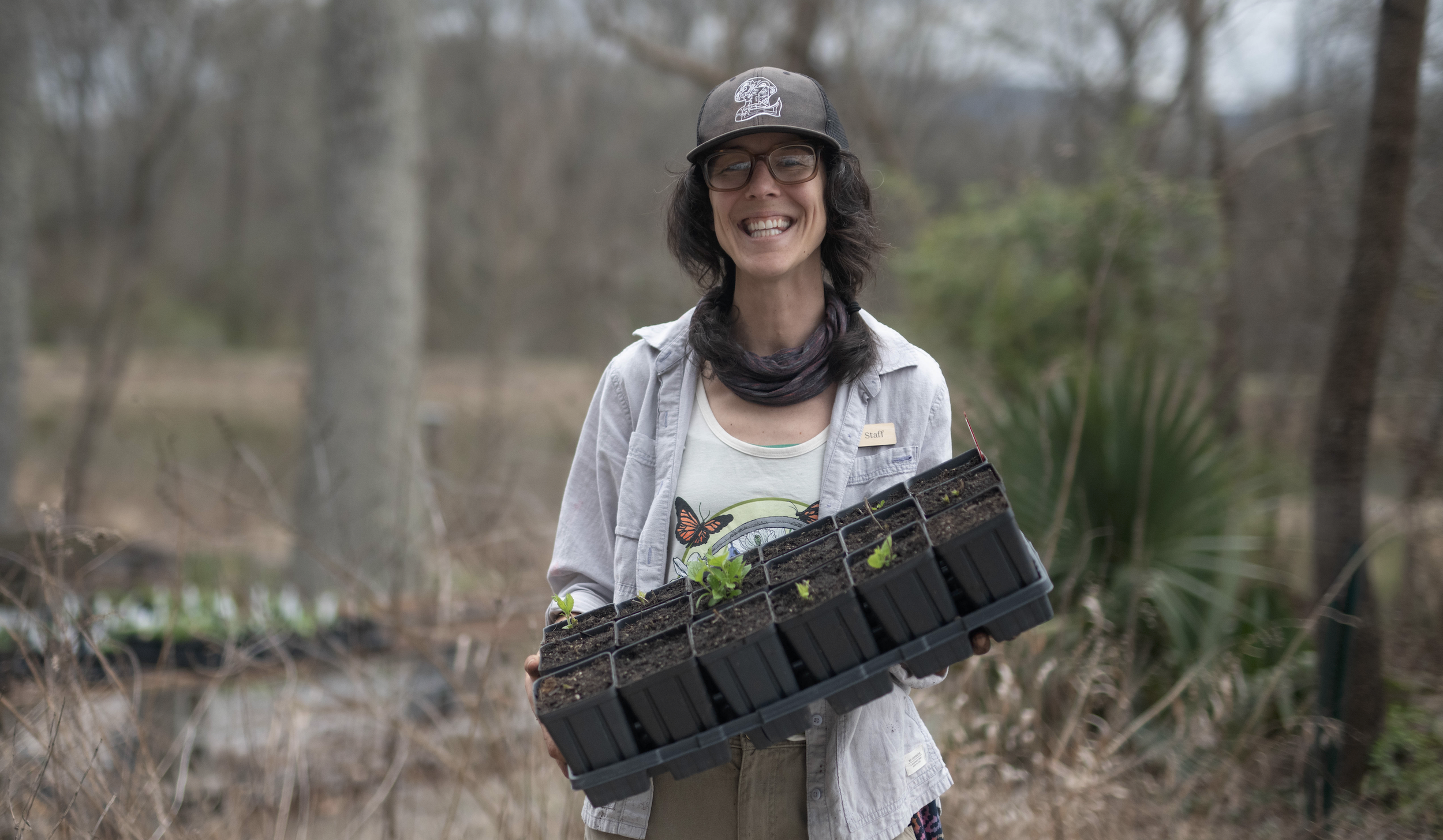
Propagate and cultivate young plants from these seeds in the Nursery
Prepare an installation site in Sheets Sward
Transplant the “mother plants” into the site and provide routine care
Collect seeds from the mother plants for propagation in the Nursery
Produce local ecotype and make plants available for public use
This multi-year cycle will produce plants that are genetically diverse and well adapted for our Greater Chattanooga region. Plus, they benefit the greater ecosystem by providing true-to-species resources for local wildlife and other organisms.
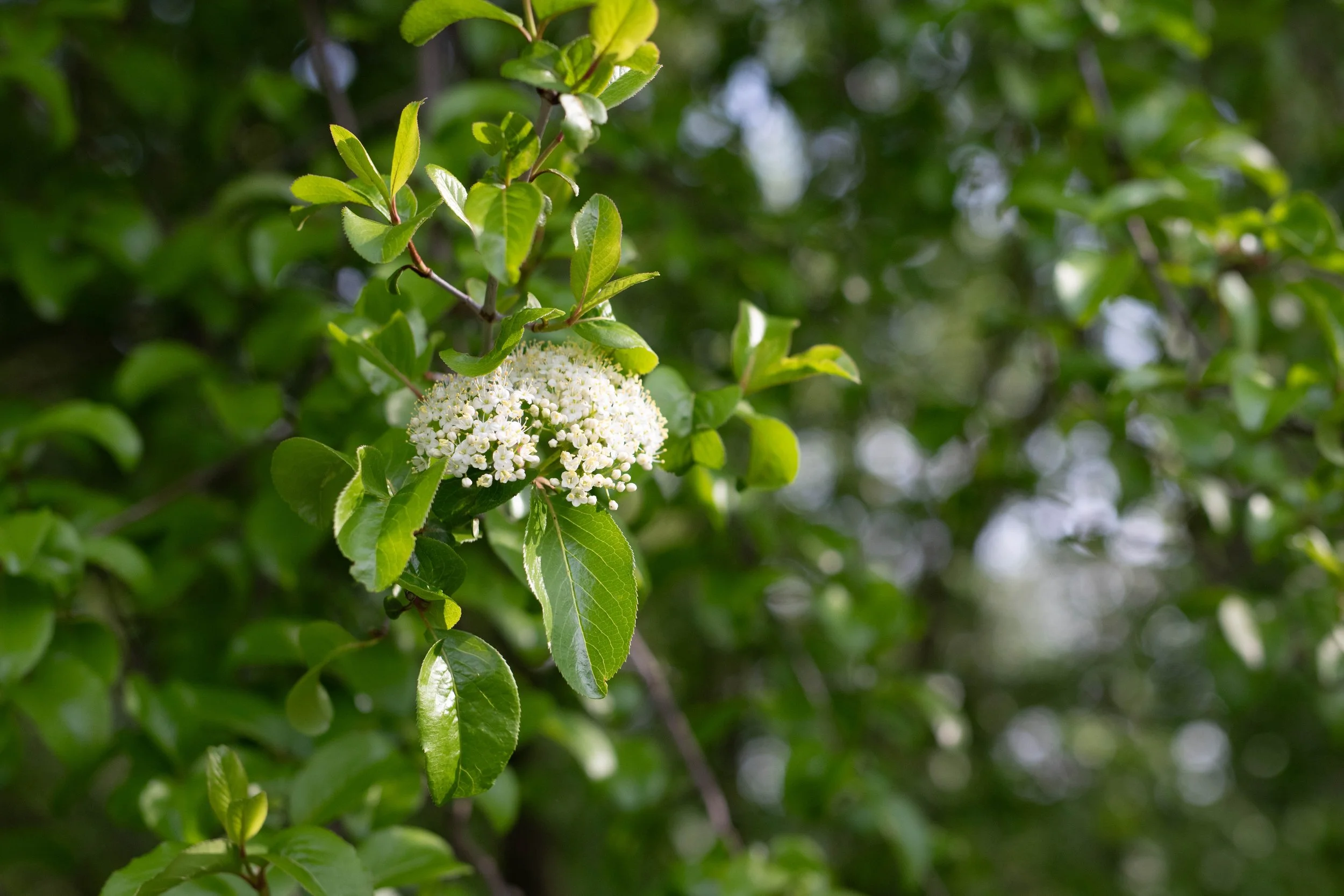
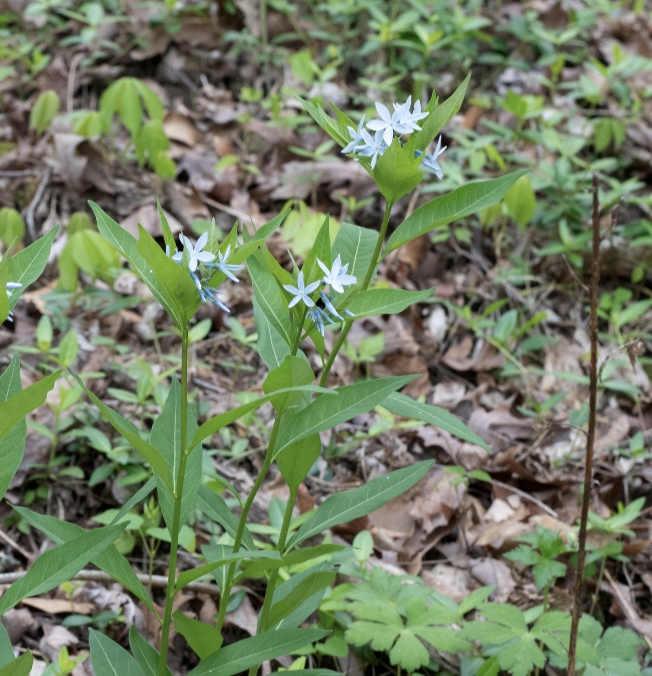
We’ve determined our target species, which include the following: Eastern Bluestar (Amsonia tabernaemontana), Rusty Blackhaw Viburnum (Viburnum rufidulum), Loomis Mountain Mint (Pycnanthemum loomisii), Dense Blazing Star (Liatris spicata), Narrowleaf Silkgrass (Pityopsis graminifolia), and Openflower Witchgrass (Dichanthelium laxiflorum). If environmental conditions require, we may shift our targeted species to those available.
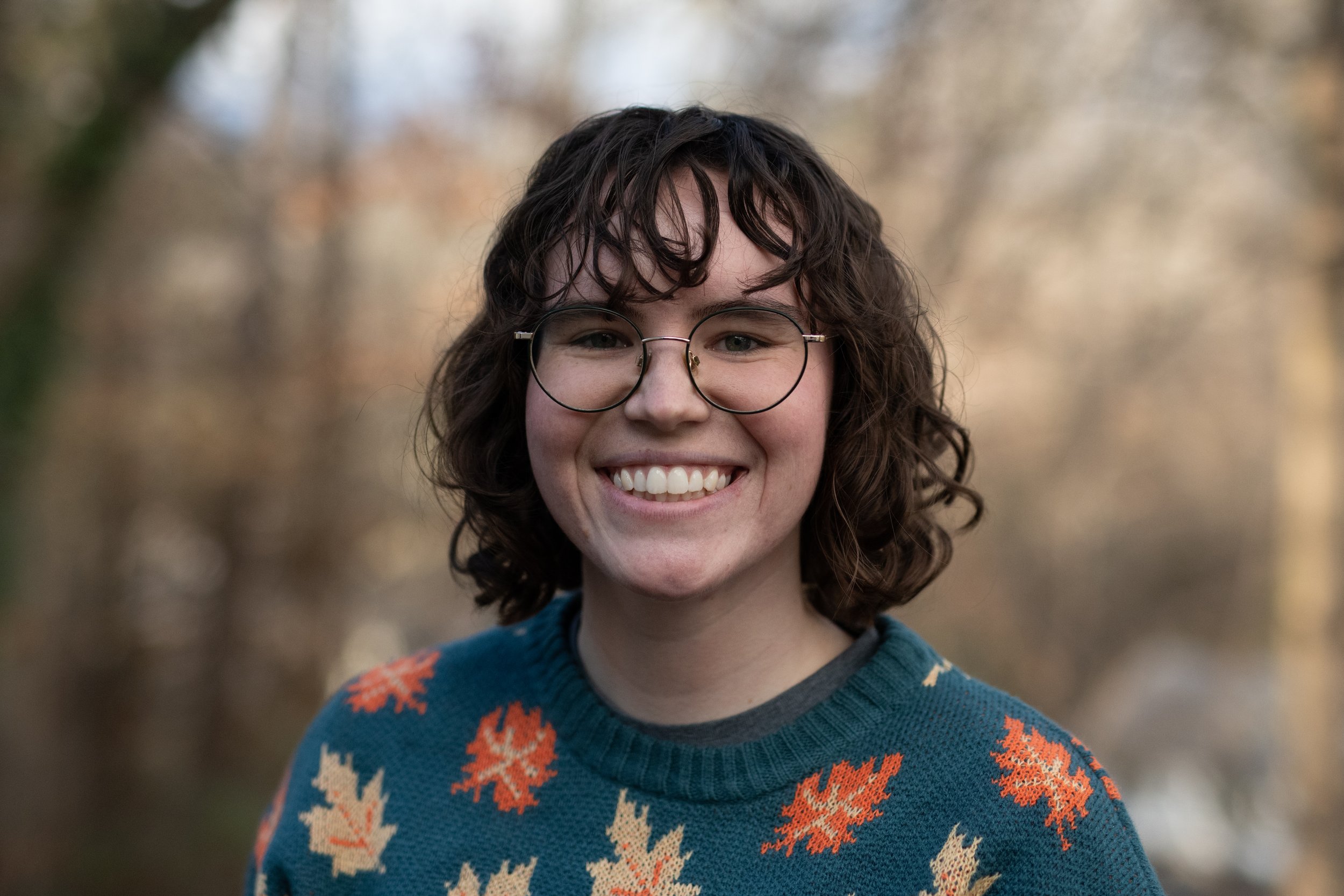
“The cultivation and preservation of local ecotypes is tremendously important as we work to restore our local ecosystems. These native plants have evolved to suit the specific climate and wildlife of our region and provide irreplaceable support for our pollinators, such as bees, birds, and butterflies. Since these plants have also evolved to survive in this region, they possess the genetic makeup to thrive here. From a landscaping perspective, they are an excellent, low-maintenance, & ecosystem supporting option for home gardens,” explains Lauren Russek, Lead Naturalist Native Plant Horticulture and overseer of the TN Valley Seed Project.
There are so many ways folks can get involved, from seed collection to education. "I’m excited for people to get involved with this project. There’s so much to learn together—every step, from plant scouting to growing, offers a chance to connect with local ecosystems and our community in a meaningful way,” Lauren shares. “Through this project, I hope people will deepen their understanding and appreciation of native plants. Educationally, my aim is for participants to leave with greater awareness of the distinctions between native plant varieties, cultivars, and ecotypes, the unique benefits each brings to ecosystems, effective ways to protect these plants, and ways to incorporate them into home gardens.”
Where are we now (as of May 2026)?
The TN Valley Seed Project is just now emerging from its planning phases. We’ve outlined program goals, identified a target species list, pinpointed our installation site, completed soil testing, started plant scouting, and drafted a production timeline.
Over the next few months, our Land Conservation team will finalize and implement our site preparation plant. This will include identifying the scale and orientation of the mother garden and preparing the soil to create a sterile growing environment for future plantings.
From now through summer, we will also identify seed sources. This will include taking scouting trips to identify plants from our target species list and working with private landowners and public green spaces to gain permission and permits for seed collection.
Stay tuned for more information and ways you can get involved. We estimate native ecotype seeds will be made available to our community in 2028!
Please Note: If you’re interested in collecting native seeds, it’s essential to understand ethical collection practices to protect plant species. Know where collection is permitted, secure the necessary permits or permissions, take only 5–10% of a plant’s seeds, and avoid harvesting from rare or endangered species. The North Carolina Plant Society and USDA both offer valuable information on native seed collection. Getting involved with the TN Valley Seed Project or volunteering with regional organizations like the Southern Grassland Institute is another excellent way to learn.