
Tennessee Valley Seed Project
We’re excited to share the vision for the Tennessee Valley Seed Project, a long-term native plant conservation effort taking shape at Reflection Riding.
This initiative focuses on sourcing local ecotype seeds, establishing seed-producing plant populations within Sheets Sward—a restored 4-acre grassland habitat on our campus—and propagating future generations of plants in our Native Plant Nursery for the benefit of our community and region.
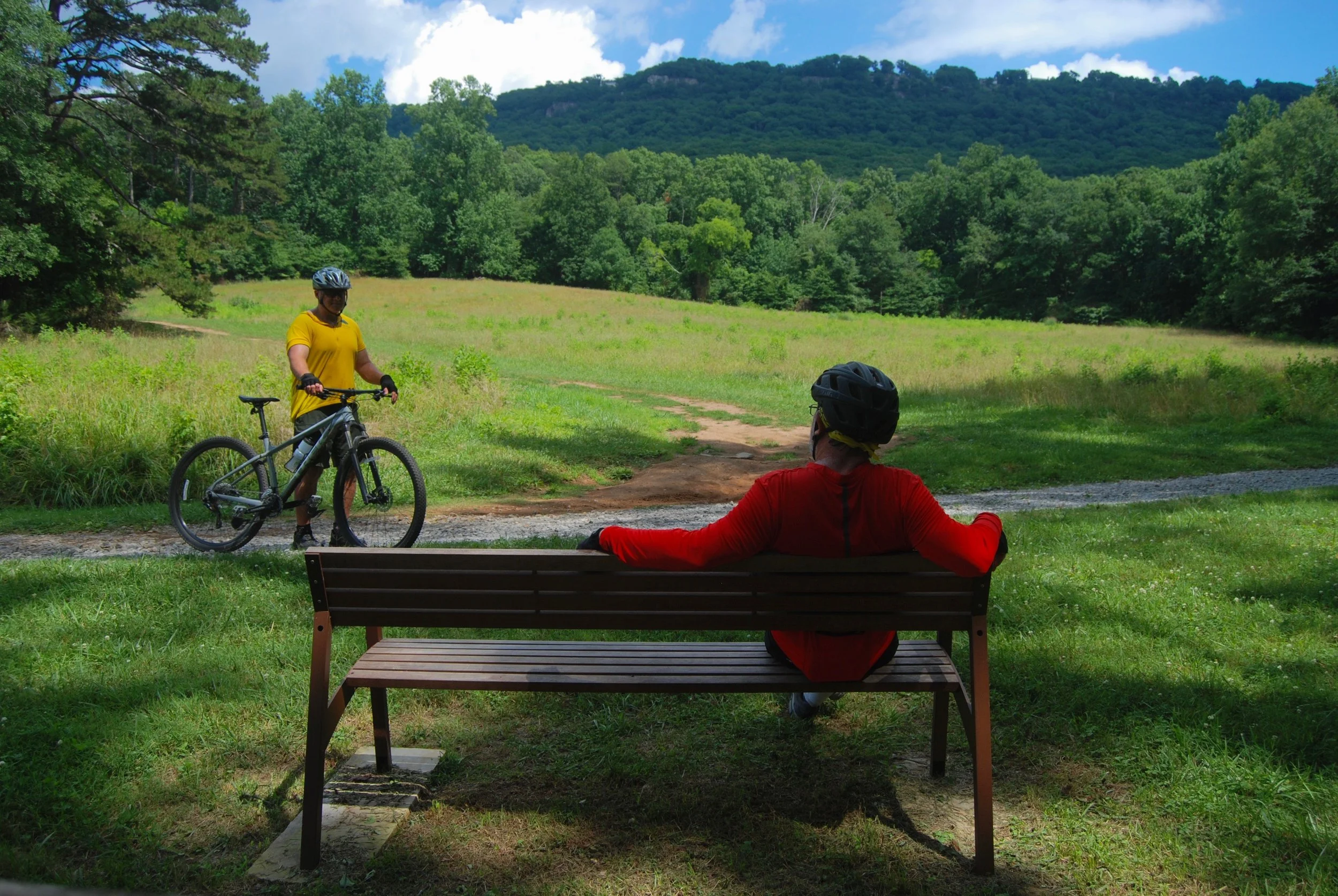
Sheets Sward, the open grassland pictured here beneath Lookout Mountain, will become the future home of the Tennessee Valley Seed Project.
Ecotypes are regional populations of plants that have adapted over time to the specific environmental conditions where they naturally occur. By focusing on local ecotypes, the Tennessee Valley Seed Project aims to increase the availability of resilient, regionally adapted native plants while helping support biodiversity across our landscape. You can learn more about the science behind ecotypes below.
The Tennessee Valley Seed Project includes several core phases:
Ethically sourcing seed from local ecoregions
Propagating plants in our Native Plant Nursery
Establishing seed-producing plant populations within Sheets Sward
Collecting seed for future propagation and distribution
Expanding access to locally adapted native plants over time
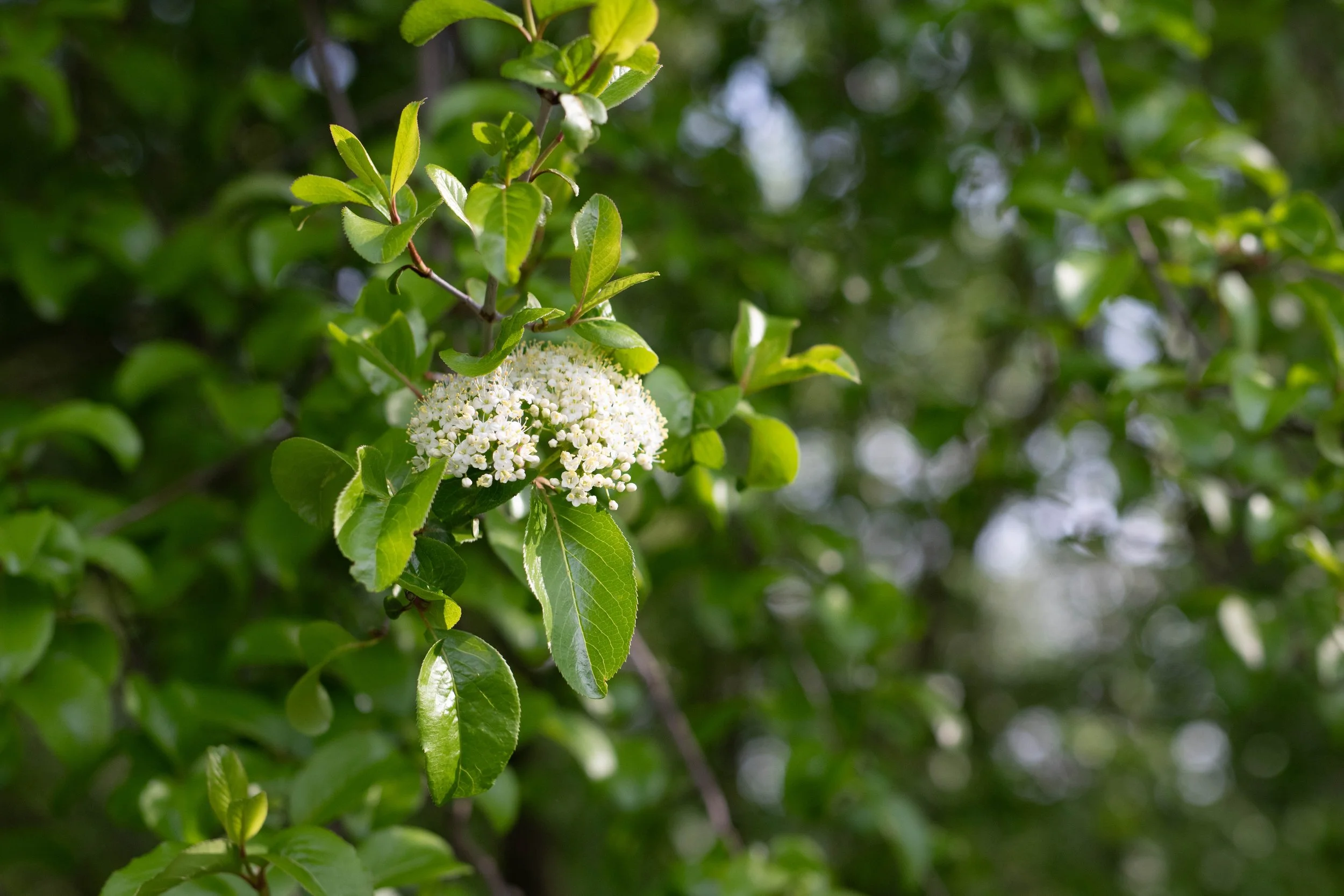
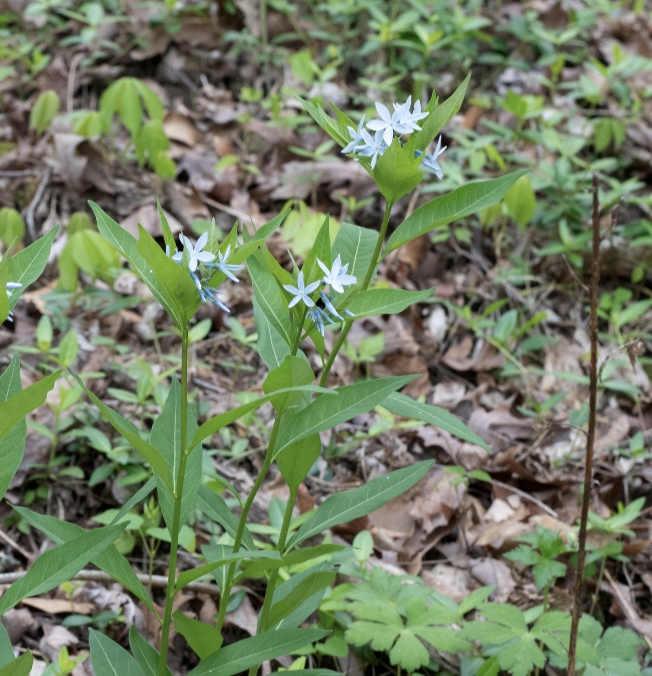
Our initial target species include Eastern Bluestar (Amsonia tabernaemontana), Rusty Blackhaw Viburnum (Viburnum rufidulum), Dense Blazing Star (Liatris spicata), Narrowleaf Silkgrass (Pityopsis graminifolia), and others selected for their ecological value and regional adaptability.
“The cultivation and preservation of local ecotypes is tremendously important as we work to support healthy local ecosystems. These plants have evolved alongside the climate and wildlife of our region, making them uniquely suited to thrive here while providing critical support for pollinators and other species.”
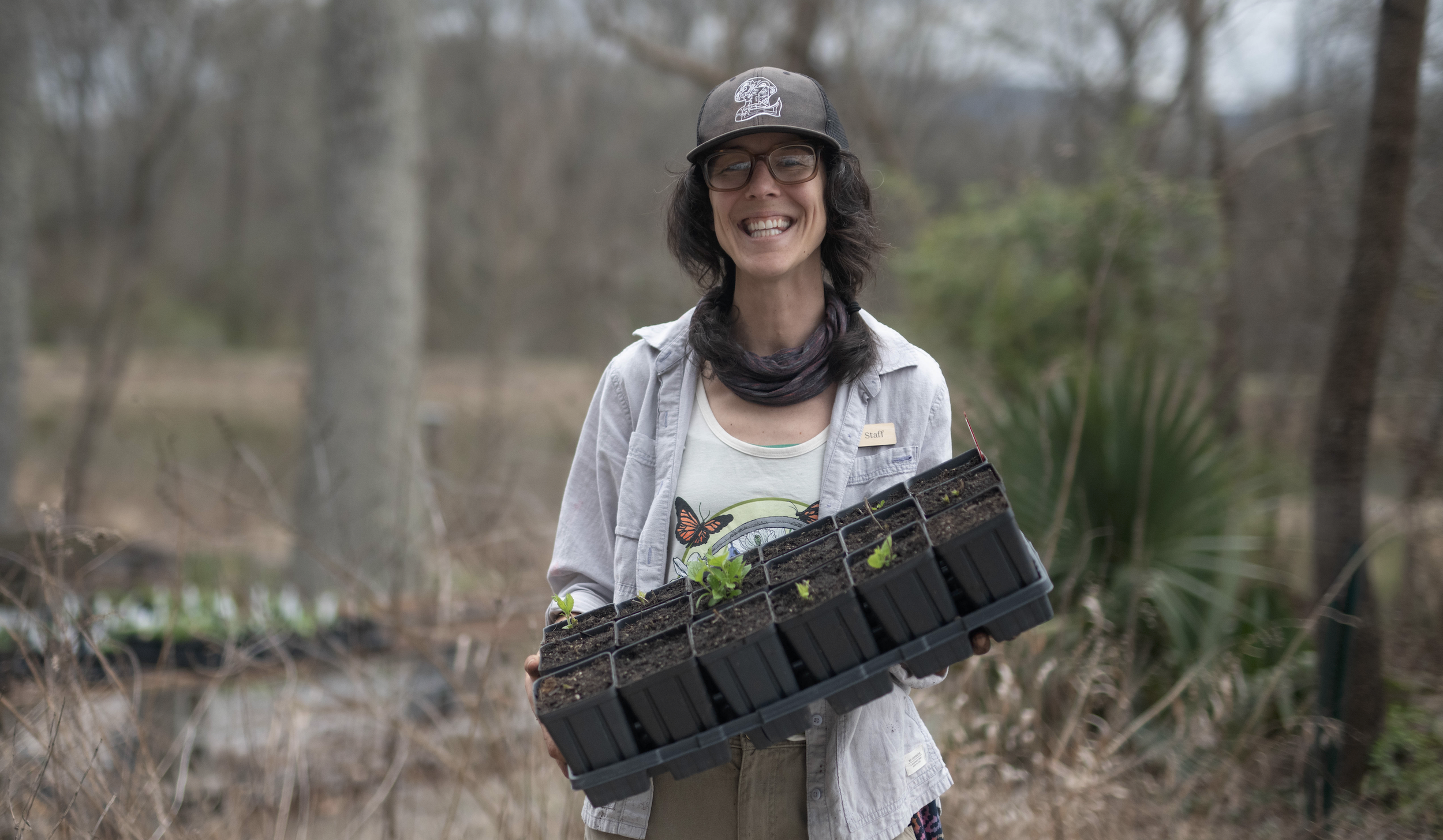
Lauren Russek, Lead Naturalist of Native Plant Horticulture, holds a flat of native plants grown in Reflection Riding’s Native Plant Nursery, where future Tennessee Valley Seed Project ecotypes will be propagated for our community and region.
Community involvement will play an important role in this effort. From seed scouting and ethical seed collection to propagation, growing, and planting, there will be many opportunities for people to engage with the project in meaningful ways.
As of May 2026, the Tennessee Valley Seed Project is emerging from its planning phase. Our team has identified target species, completed soil testing, begun scouting for seed sources, and started preparing Sheets Sward for future plantings.
In the months ahead, our Land Conservation team will continue site preparation and work with public and private partners to ethically source seed from across our region.
This work takes time, care, and collaboration, and we’re excited to continue sharing the process as it grows. We anticipate having plant material available for the public beginning in 2028.
Stay tuned for updates and future opportunities to get involved.
What’s the science behind ecotypes?
If you’ve visited a large plant nursery, you’ve probably encountered cultivars or “nativars”—plants selected or bred for traits like bloom color, compact growth, or extended flowering periods. While these plants can be visually appealing in ornamental landscapes, selective breeding can sometimes reduce the ecological relationships plants have with pollinators and wildlife.
Ecotypes develop differently. Rather than being shaped by human preferences, ecotypes emerge through long-term adaptation to local environmental conditions like climate, soil, elevation, and seasonal patterns. Over time, these regional populations develop traits that improve their ability to thrive in the places where they naturally occur.
You can often see these differences across a species’ range. A Red Maple growing in the Tennessee Valley may look and behave differently from one growing farther north because each population has adapted to its local environment over generations.
The Tennessee Valley Seed Project focuses on ethically sourcing seeds from local ecoregions and propagating plants that reflect the genetic diversity of this region. By working with locally adapted ecotypes, we can help support healthier ecosystems while increasing the availability of resilient native plants for our community.
Please Note: If you’re interested in collecting native seeds, it’s essential to understand ethical collection practices to protect plant species. Know where collection is permitted, secure the necessary permits or permissions, take only 5–10% of a plant’s seeds, and avoid harvesting from rare or endangered species. The North Carolina Plant Society and USDA both offer valuable information on native seed collection. Getting involved with the TN Valley Seed Project or volunteering with regional organizations like the Southern Grassland Institute is another excellent way to learn.