
This blog post was written by Sophia Sandy, Reflection Riding’s Communications Intern for the Spring 2026 semester. Sophia is an Environmental Science student at the University of Tennessee at Chattanooga with a passion for sustainability, conservation, environmental education, and community engagement. Over the past several months, Sophia has supported Reflection Riding’s communications efforts through storytelling, writing, and helping interpret the thoughtful improvements taking place across campus. We’re grateful for Sophia’s creativity, curiosity, and contributions to helping share this work with our community.
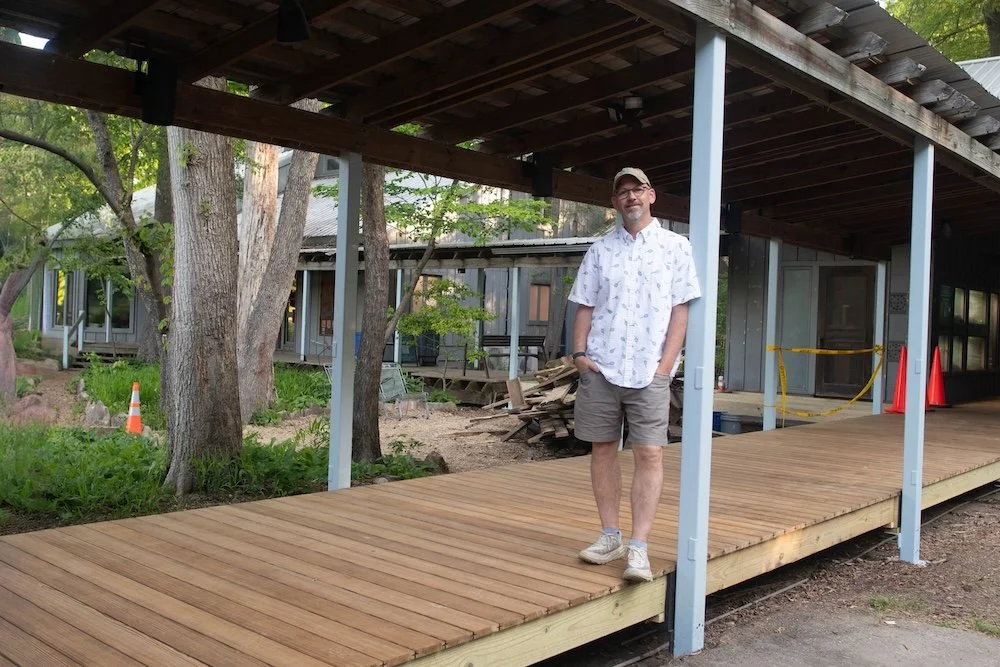
If you’ve visited Reflection Riding recently, you may have noticed ongoing improvements around our Welcome Center. These updates are part of a broader effort to thoughtfully care for this campus while making long-term investments in accessibility, durability, and sustainability.
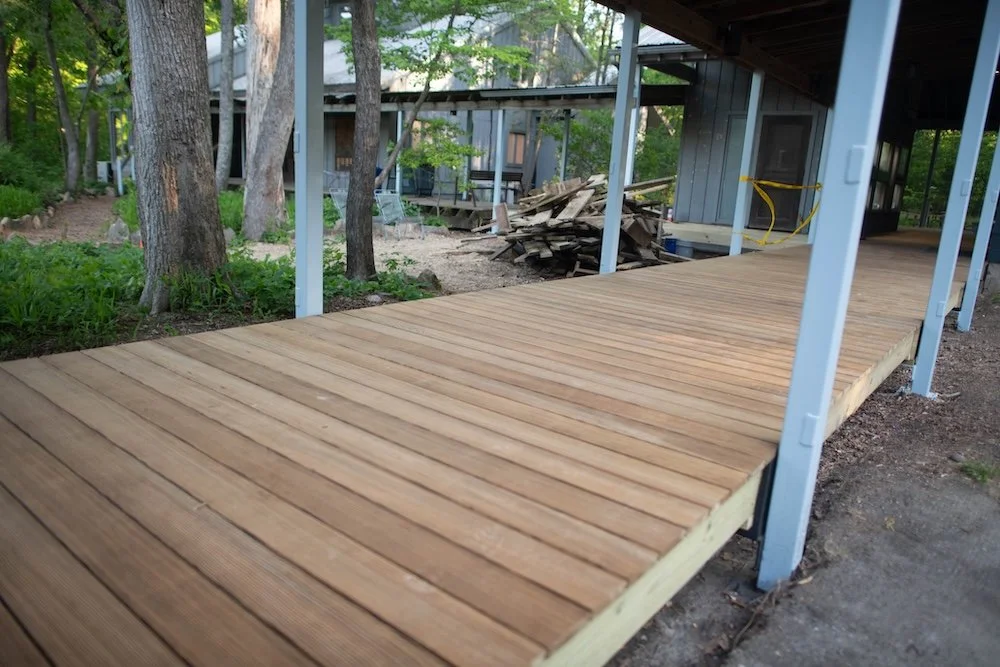
One of the most visible changes is the replacement of sections of the aging decking that connect our main campus buildings. As we considered materials for this work, we wanted to prioritize options that would not only hold up over time, but also align with our broader values around stewardship and environmental responsibility. For this project, we chose to use thermally modified wood from Arbor Wood Co.
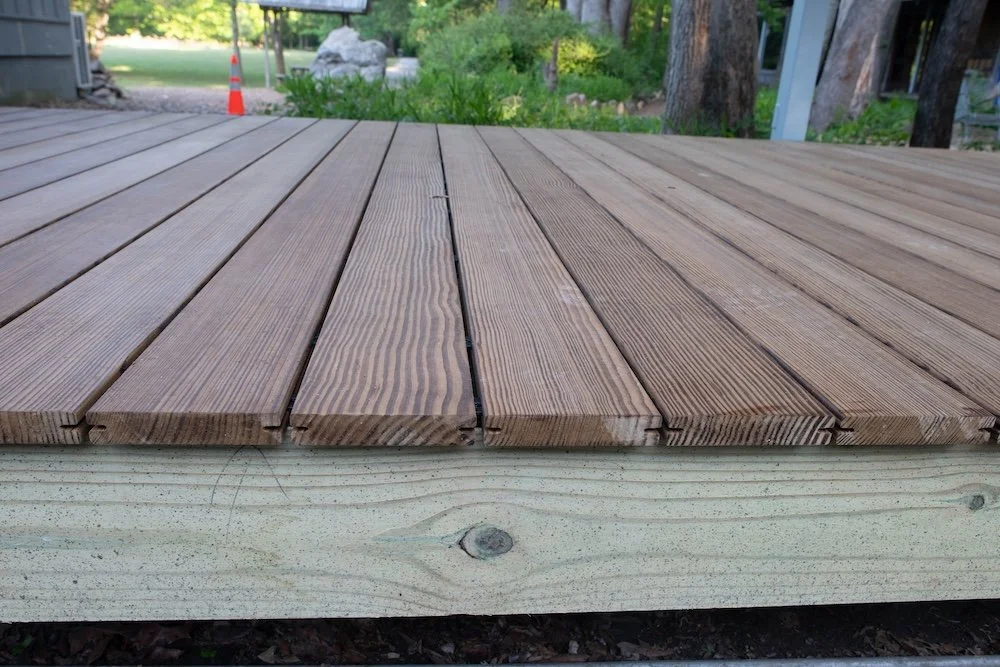
At first glance, the material may look like a standard wooden boardwalk, but the process behind it is both innovative and intentionally designed to extend the life of the wood without relying on chemical treatments.
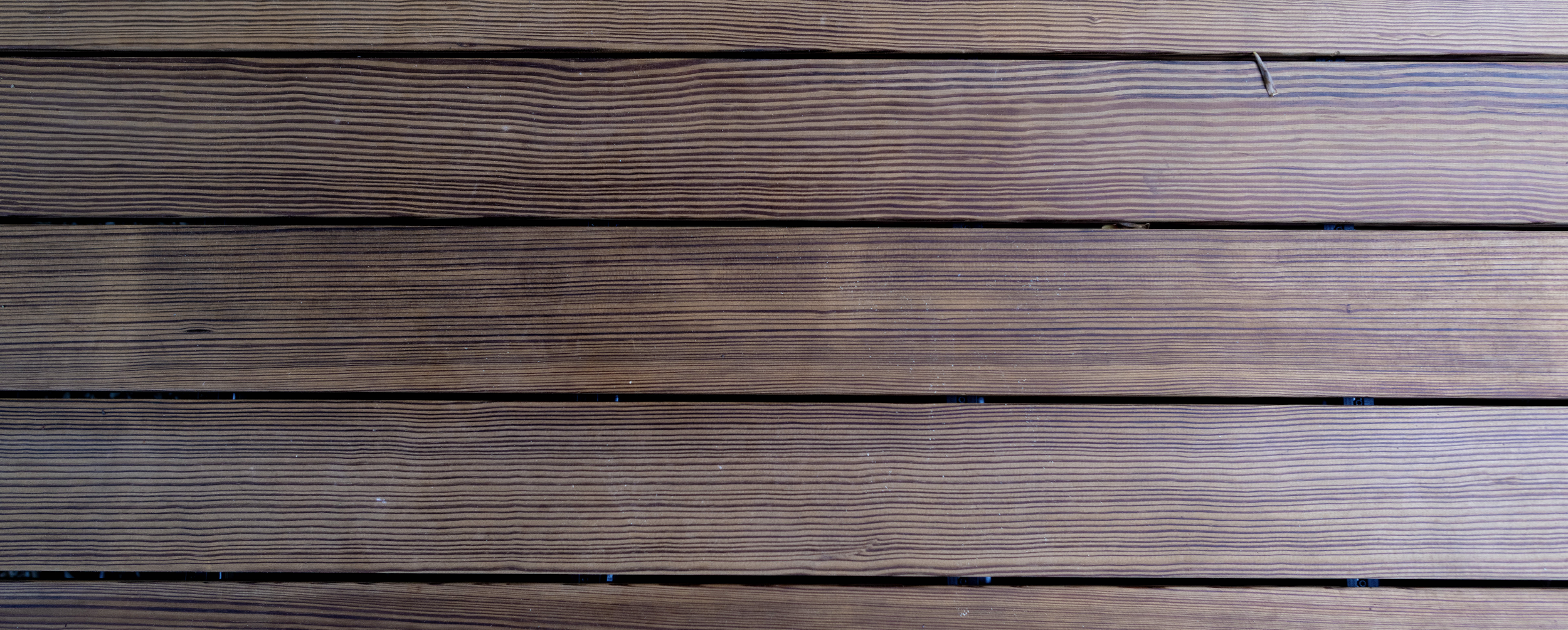
Thermowood is thermally modified wood that undergoes a high-heat, chemical-free treatment process that enhances durability and longevity. The pine used for our Welcome Center decking begins as domestically grown lumber harvested from responsibly managed forests before undergoing a three-stage thermal modification process.
In the first stage, the wood is gradually heated in a kiln to remove moisture while steam is introduced throughout the process to help prevent cracking. By the end of this phase, the wood’s moisture content has been reduced significantly.
During the second stage, oxygen is removed from the chamber while the wood remains exposed to intense heat. This process changes the wood’s internal structure, reducing the natural sugars and compounds that typically attract mold, fungi, and insects. As a result, the wood becomes much more resistant to decay over time.
In the final stage, steam is reintroduced to slowly lower the temperature and stabilize the wood so it can be used as a durable building material.
One of the most compelling aspects of this process is that it achieves many of the same benefits as pressure-treated lumber without relying on harsh chemicals. The finished material is more resistant to moisture, insects, and rot while still maintaining the natural beauty and character of the wood itself.
For us, choosing this material was not simply about aesthetics or replacing aging infrastructure. It was an opportunity to think more intentionally about how materials function within a landscape and how thoughtful choices today can reduce maintenance needs, material waste, and environmental impact in the future.
Much like the locally sourced Tennessee sandstone being incorporated into nearby pathway improvements, the use of thermally modified wood reflects a broader effort to care for this campus in a way that balances functionality, sustainability, and longevity. These projects are not about quick replacements, but about investing in materials that will serve the community well for years to come while helping visitors better understand the possibilities of more thoughtful and environmentally responsible design.
As we continue working toward the vision outlined in our Framework for the Future, we remain committed to exploring durable, sustainable materials that support the long-term stewardship of this campus and create spaces that feel welcoming, resilient, and connected to the natural character of our region.
We’re deeply grateful for the collaboration and support of the many partners helping bring these thoughtful improvements to life, including WMWA Landscape Architects, Tucker Build, and New Blue Construction. Their shared commitment to craftsmanship, sustainability, and long-term stewardship has played an important role in shaping the work taking place around the Welcome Center.