
Weed Wrangle 2021 Was a Success!
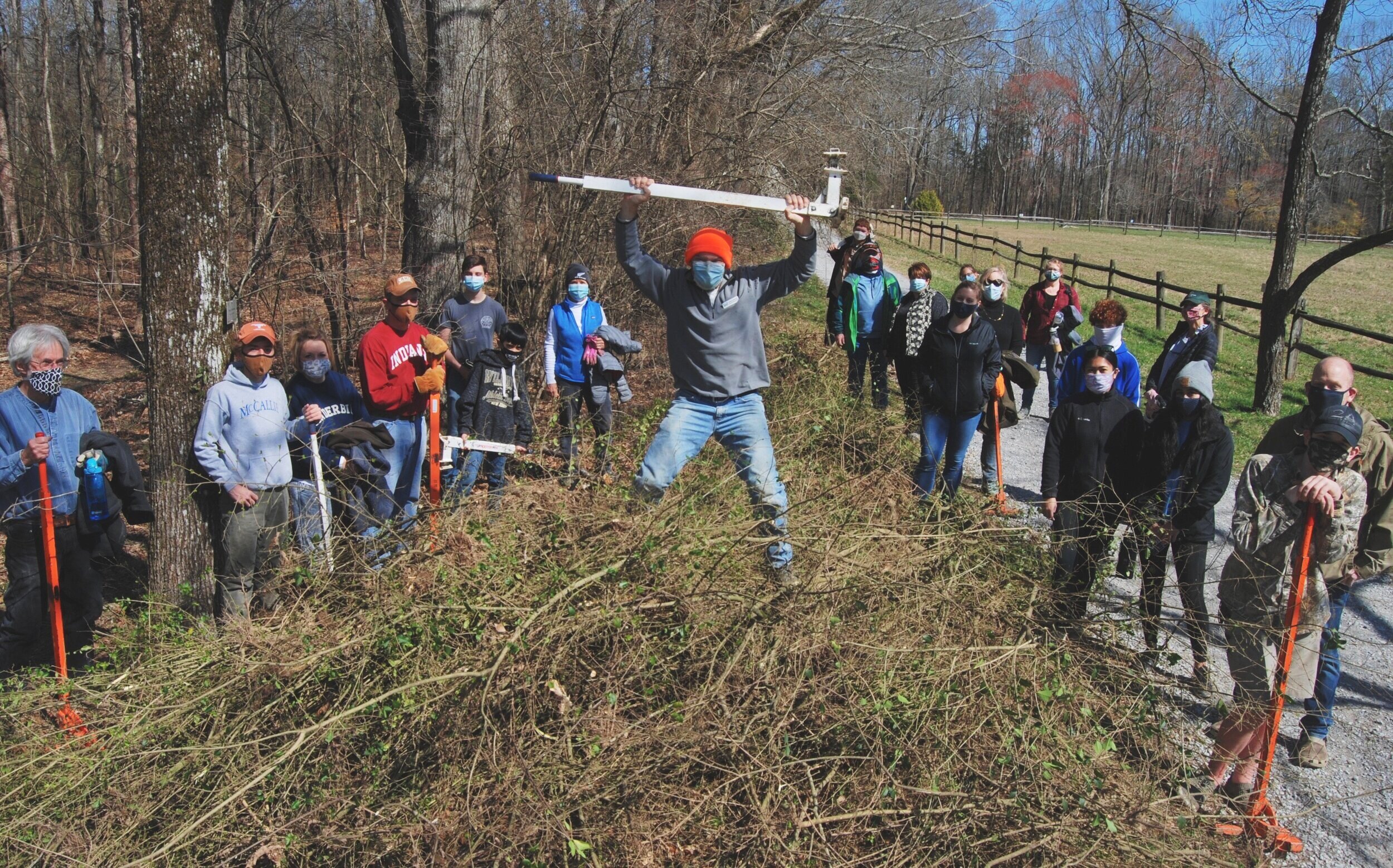
On Saturday, 6 March 2021, an intrepid group of weed warriors gathered to whack, wallow, and wrestle a whopping lot of the wily unwanted weed Ligustrum sinense (that’s Chinese privet to you and me) out of the ground by its rascally roots!
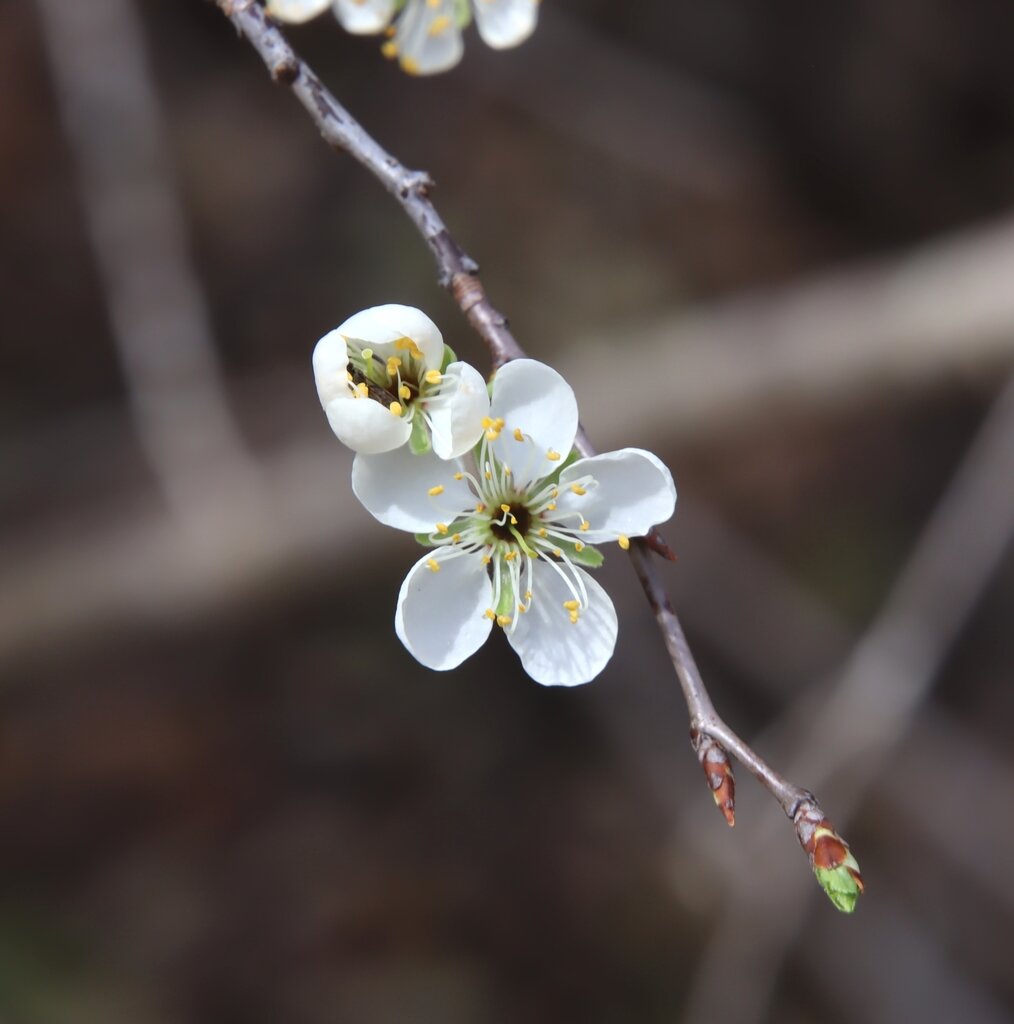
Chickasaw Plum
Chickasaw Plum has extensive wildlife values, offering protective cover from predators and nesting habitats for critters. Chickasaw Plum also serves as a larval host for several butterflies and provides nectar for pollinators, while the fruits are often eaten by birds and small mammals.

American Witch Hazel
American witch hazel (Hamamelis virginiana) is native to North America growing from Canada to Georgia westward often to Kansas and Louisiana. This species is a flowering, deciduous shrub and blooms very late in the season, usually flowering between October and December.

Switchgrass
Switchgrass (Panicum virgatum) is a native ornamental of the grass (Poaceae) family found pretty much throughout central and eastern North America. It achieves a height of 3-6 feet tall and a width of 2-3 feet. Switchgrass blooms from July through February with a light pink flower; the autumnal color is a pale yellow.

How We Protect Red Wolves
The American red wolf is the most endangered canid in the world. With the 10 known wild red wolves roaming a single recovery release site in northeastern North Carolina and approximately 250 in captivity, breeding is critical to this species’ survival.


Brood X is Emerging!
Most of us have kicked 2020 to the curb and are searching for new things to look forward to. Add this to your list for “Must Do Spring 2021” — you won’t be able to do it again for another 13-17 years. Brood X will emerge this spring in 15 states, including Tennessee.


Happy Groundhog Day!
Did you know that the groundhog has three other names? It is also known as a woodchuck, although it doesn't chuck wood. However, it does move dirt, and lots of it — up to 700 lbs of dirt and rock in a day with its feet, claws, and teeth!



That’s a lot of water!
The Chattanooga area received more than 26 inches of rain above our normal value of 51 inches annually. Quite a bit more than Seattle, WA which annually receives about 38 inches.