
Black Willow
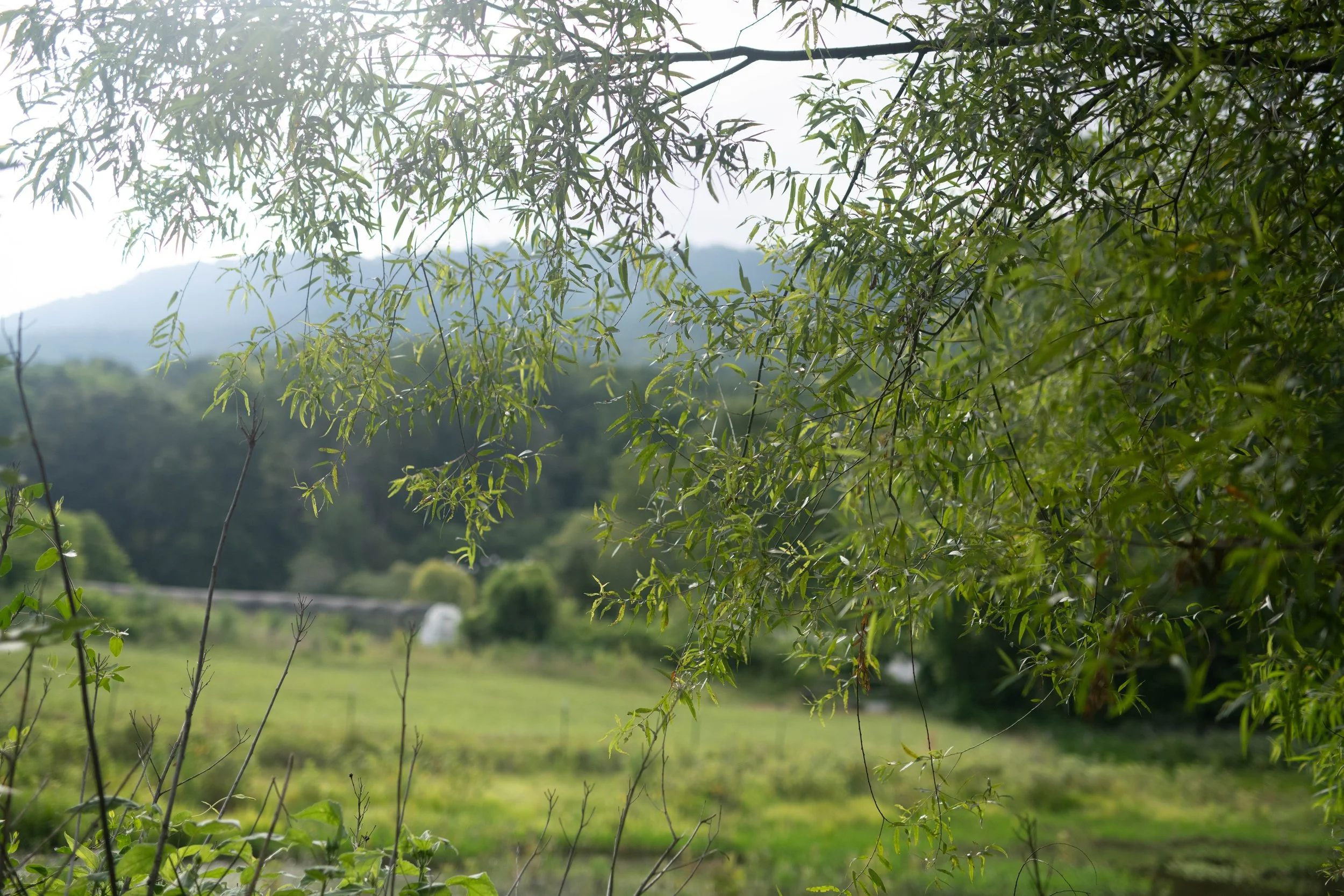
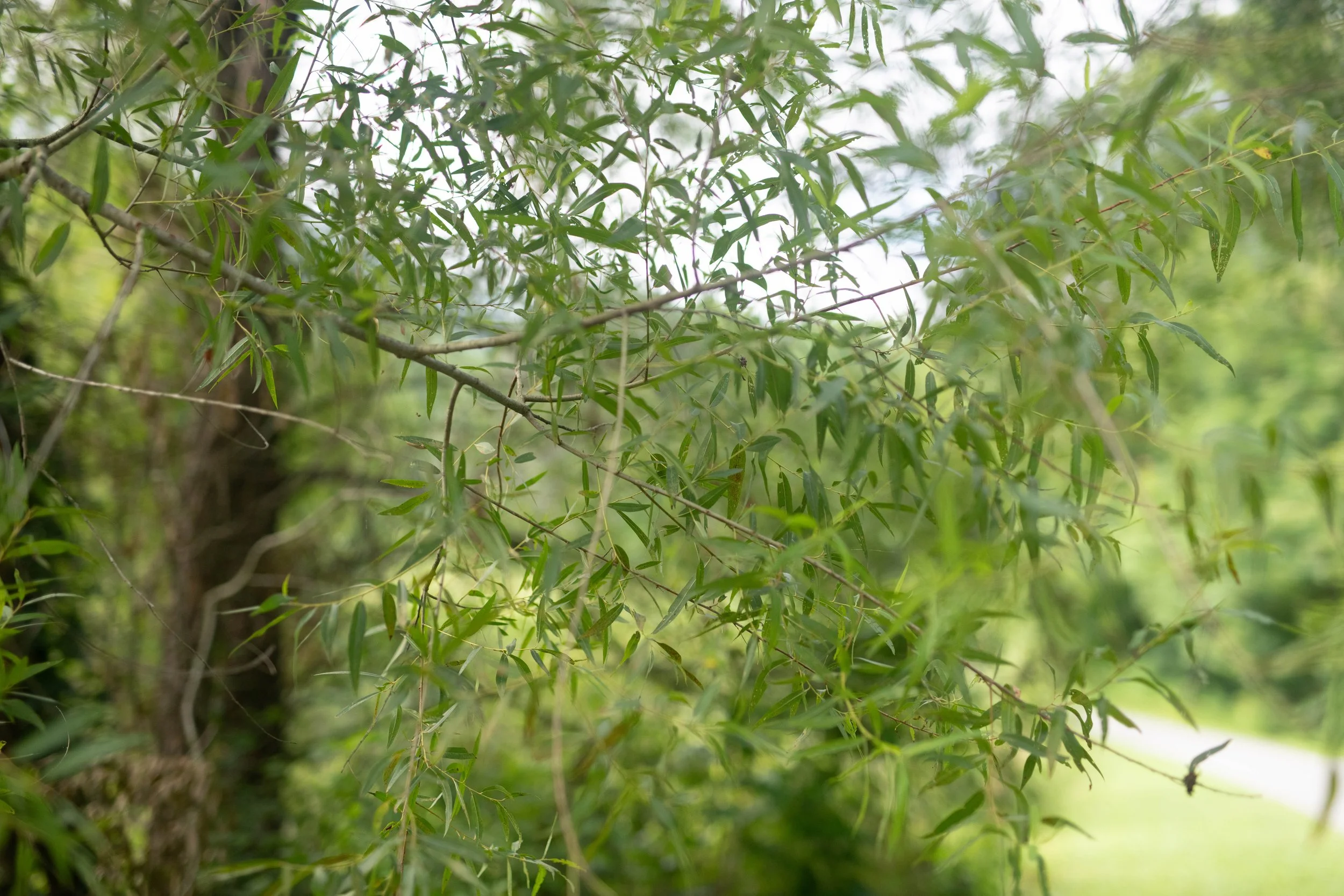
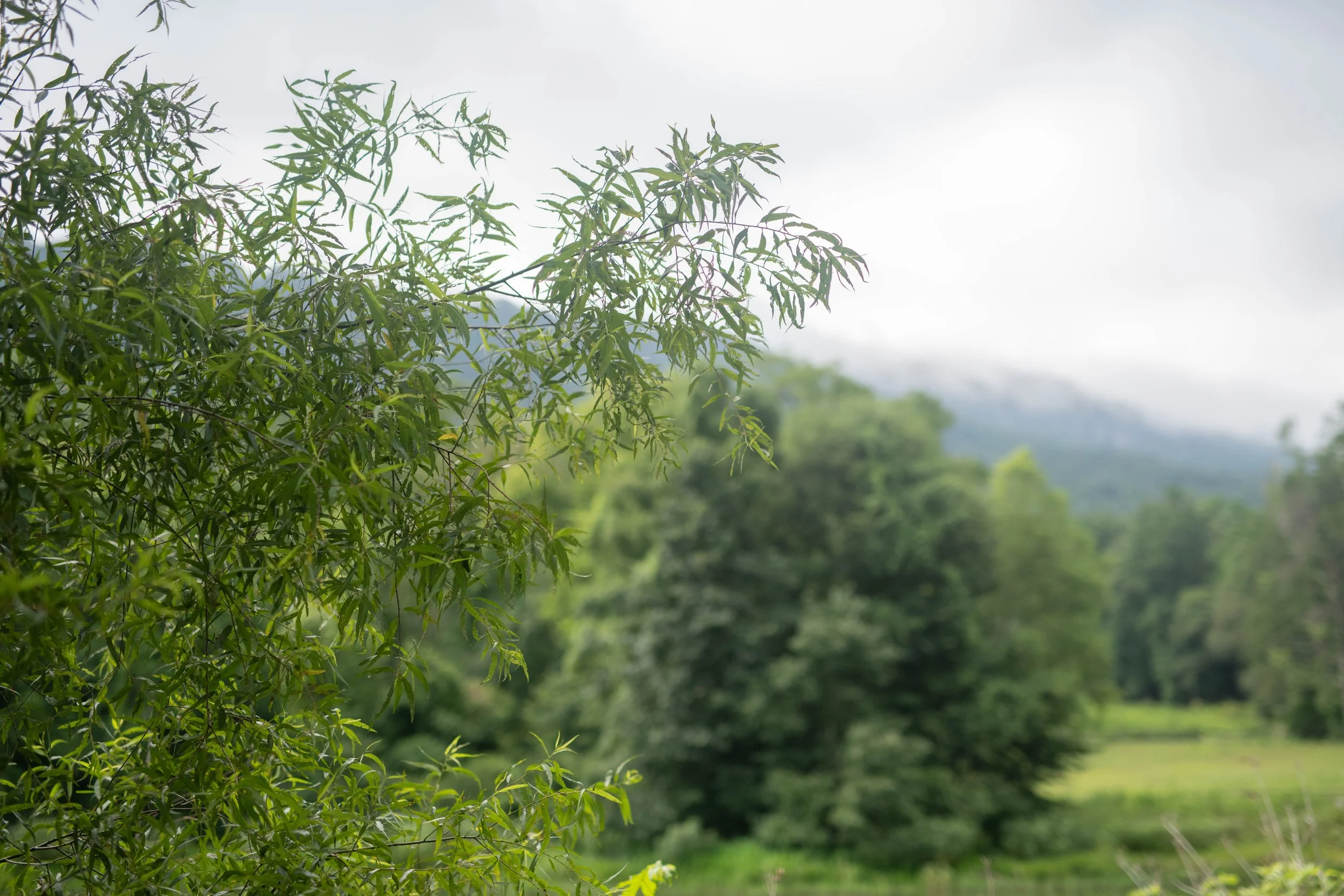
The Black Willow (Salix nigra) is North America’s largest willow species. This gnarled, fast-growing plant thrives in wetland habitats and provides a haven for wildlife. Both beneficial to our natural (and human!) worlds, the Black Willow is an icon of this region!
Scientific Description:
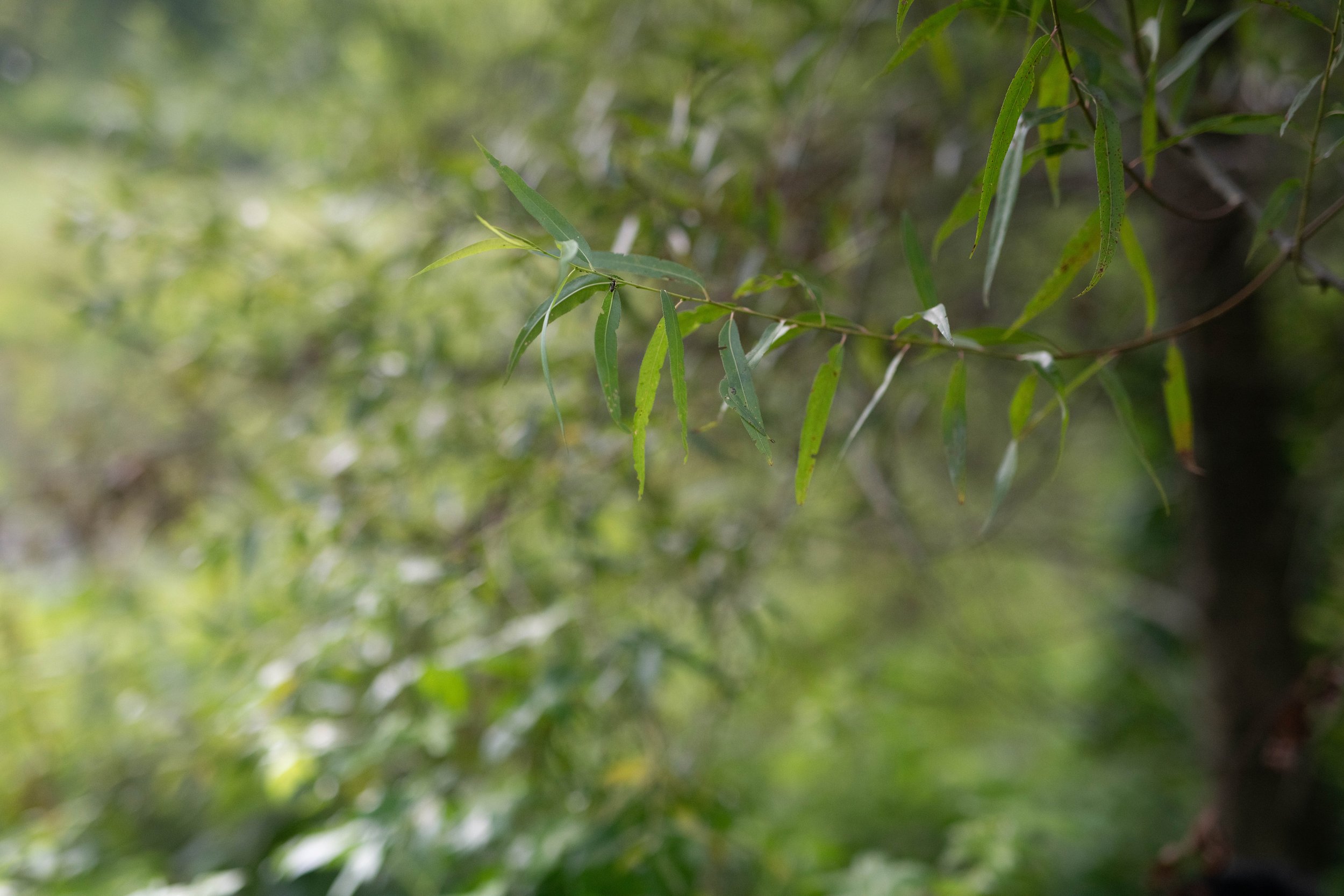
The Black Willow is a large, fast-growing tree that often grows 70-80’ tall at maturity, although some individuals climb to over 100’ tall! The plant exhibits a gnarled, reaching habit due to brittle branches that often break from the force of wind or rushing water, and it will readily send out new shoots. The tree is often found in full-to-part sun wetland sites, such as floodplains, streambanks, ponds, lakes, marshes, and more. As North America’s largest willow species, this tree also has a wide range. You’ll find it growing from Texas all the way into New Brunswick, Canada! The Black Willow has narrow, lanceolate leaves that are medium to dark green in color. The plant is also dioecious, meaning male and female flowers occur on separate plants. In early spring, the non-showy catkins emerge. The bark is grey-brown to black in color and develops deep grooves and rough, shaggy scales with age.
Habitat Value:
The Black Willow is a wonder for wildlife. The tree is a larval host plant for many butterflies, such as the Eastern Tiger Swallowtail, Mourning Cloak, Red-Spotted Purple, and the Eastern Comma. Its early spring blooms provide early sources of nectars for pollinators, and songbirds feed on the buds and catkins Plus, deer, muskrats, beavers, rabbits, and other animals feed on the twigs. Some ducks and woodpeckers will also nest in the tree's soft trunk! The tree's brittle nature also means that branches break often, providing aquatic animals with homes.
Landscape Use:
The Black Willow is a highly valuable plant for erosion control, riparian restoration, and wildlife support. However, it’s not recommended for small yards or near septic tanks due to its brittle, breakage-prone branches and aggressive root system. The tree’s vast, shallow network of roots can be exceptionally valuable to stabilize streambanks and filter out harmful compounds. Plus, it’s great for wildlife!
Ethnobotanical Use:
Across generations, the Black Willow has been a staple of the human condition. Indigenous communities utilized the flexible, rot-resistant wood to craft baskets, bows, fishing nets, and more. Medicinally, the plant contains salicin, which is the main ingredient of aspirin! Years ago, folks would chew twigs, roots, or inner bark for the natural anti-inflammatory properties.