
Why is fall the best time to plant many native plants? Lead Naturalist (Native Plant Horticulture) Hannah McLaren shares the importance of planting during this time of year to help plants have a strong, healthy start for the growing seasons to come.
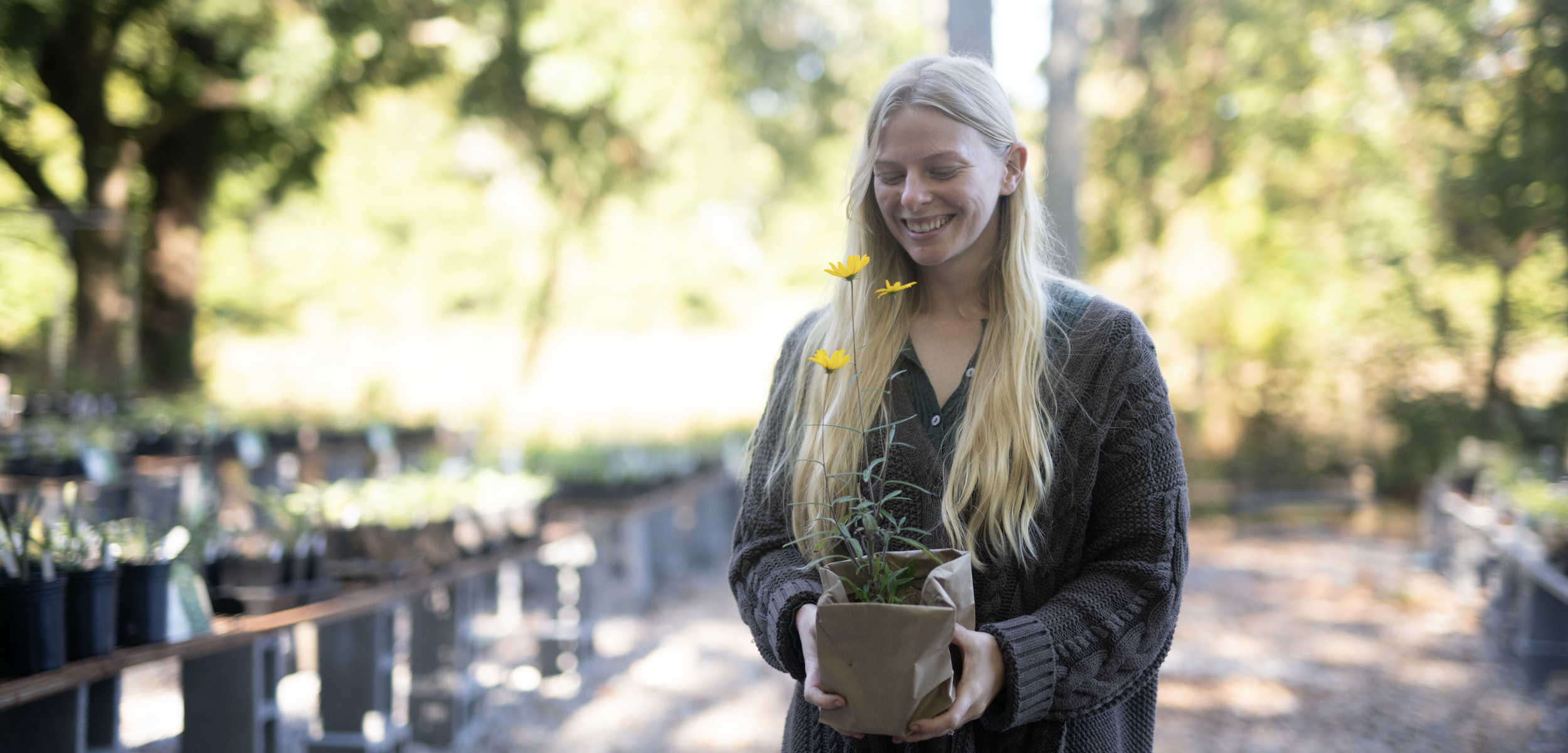
As temperatures begin to cool and the growing season winds down, it may feel like time to put the garden to rest. However, fall is actually one of the best times to plant native plants. Despite cooler air temperatures, our soil remains warm, and more consistent rainfall helps reduce transplant stress and allows plants to establish before the demands of the next growing season.
Like many plant enthusiasts, I can get caught up in the excitement of spring gardening, filling my cart with plants and making big plans for new garden beds. But as summer approaches, I often find myself struggling to keep up with watering and plant care, especially as temperatures climb and rainfall becomes less predictable. After shifting most of my garden installations to the fall, I noticed a big difference. Simply put, it’s much easier to keep plants alive during fall with less maintenance. I still have to water and pay attention to my plants throughout fall, but I’m not fighting the same uphill battle that often comes with spring planting. For me, fall gardening has been a much more manageable way to establish new plants and set them up for success.
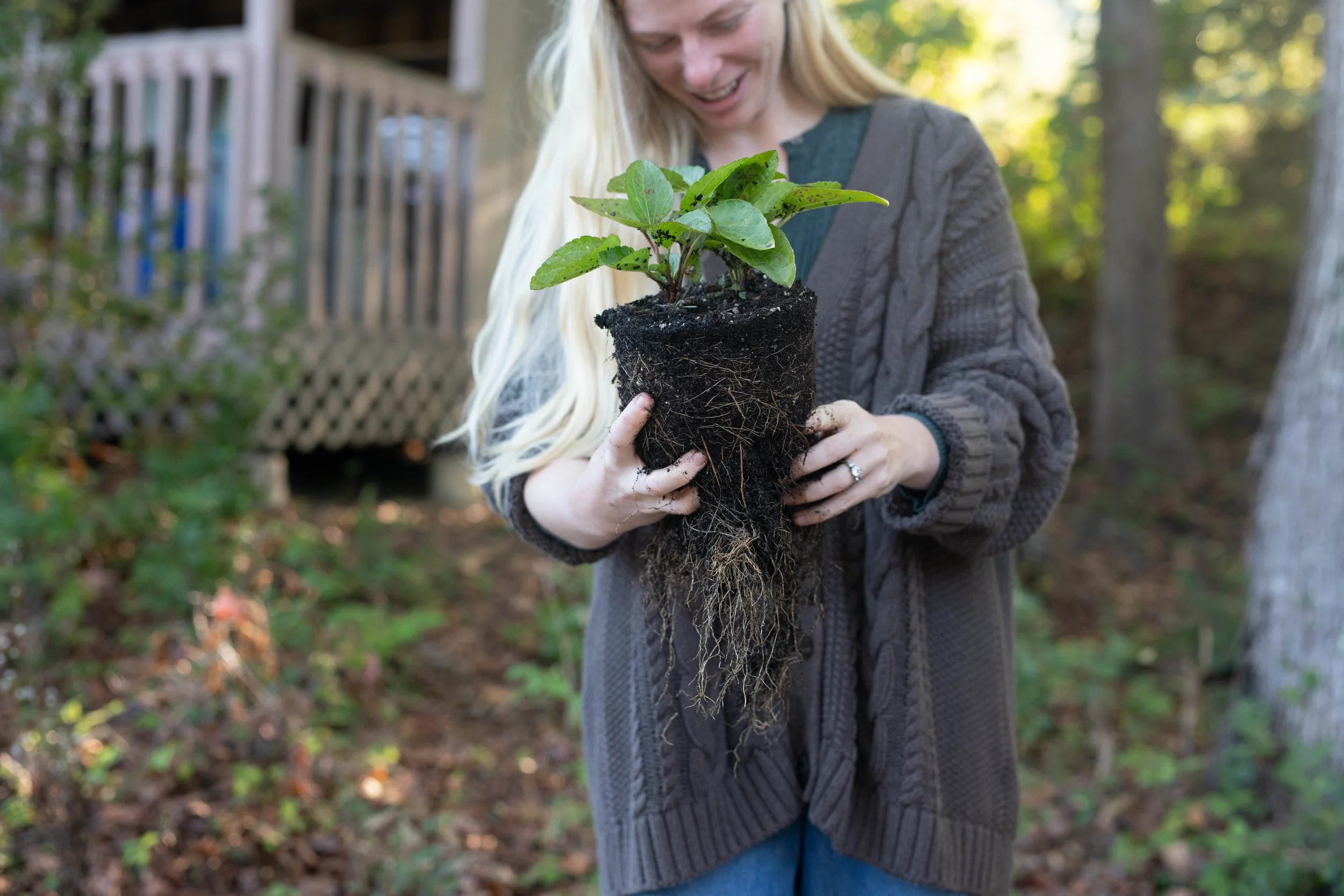
One of the primary benefits of fall planting is root development. Even as many plants begin to slow their aboveground growth and prepare for dormancy, their roots can continue to grow while soil temperatures remain favorable. This allows newly planted trees, shrubs, and perennials to put their energy towards establishing a root system before spring. When warmer temperatures return, these plants are better positioned to support new growth and withstand the heat and periods of drought that often accompany summer in the Tennessee Valley. Although you won’t see it right away, this investment in the root system pays off with more vigorous flowers and foliage the following spring.
Another benefit of the cooler weather is fewer weeds and pests. Many common garden competitors like annual weeds and warm-season grasses die back or slow their growth as temperatures drop. Pest activity is also reduced as insects, snails, and slugs go dormant or migrate. This means that your fall garden has lots of time to establish strong roots and acclimate to the site before facing off against these obstacles the following spring. Planting in the fall is like giving your plants a 6-month head start.
Beyond the horticultural benefits, fall planting is also an opportunity to think about the role our gardens play in supporting local ecosystems. Native plants are adapted to the conditions of our region and provide important food and habitat for the insects, birds, and other wildlife that depend on them. Establishing native plants is not just about what a landscape looks like during the growing season, but about creating functional habitat that supports biodiversity throughout the year. Whether you're adding a few perennials or planting a new tree, fall is a great time to invest in a landscape that will continue to grow in value for both people and wildlife.